
Business Formation
The entity you choose shapes your liability, your taxes, and your flexibility for years to come.
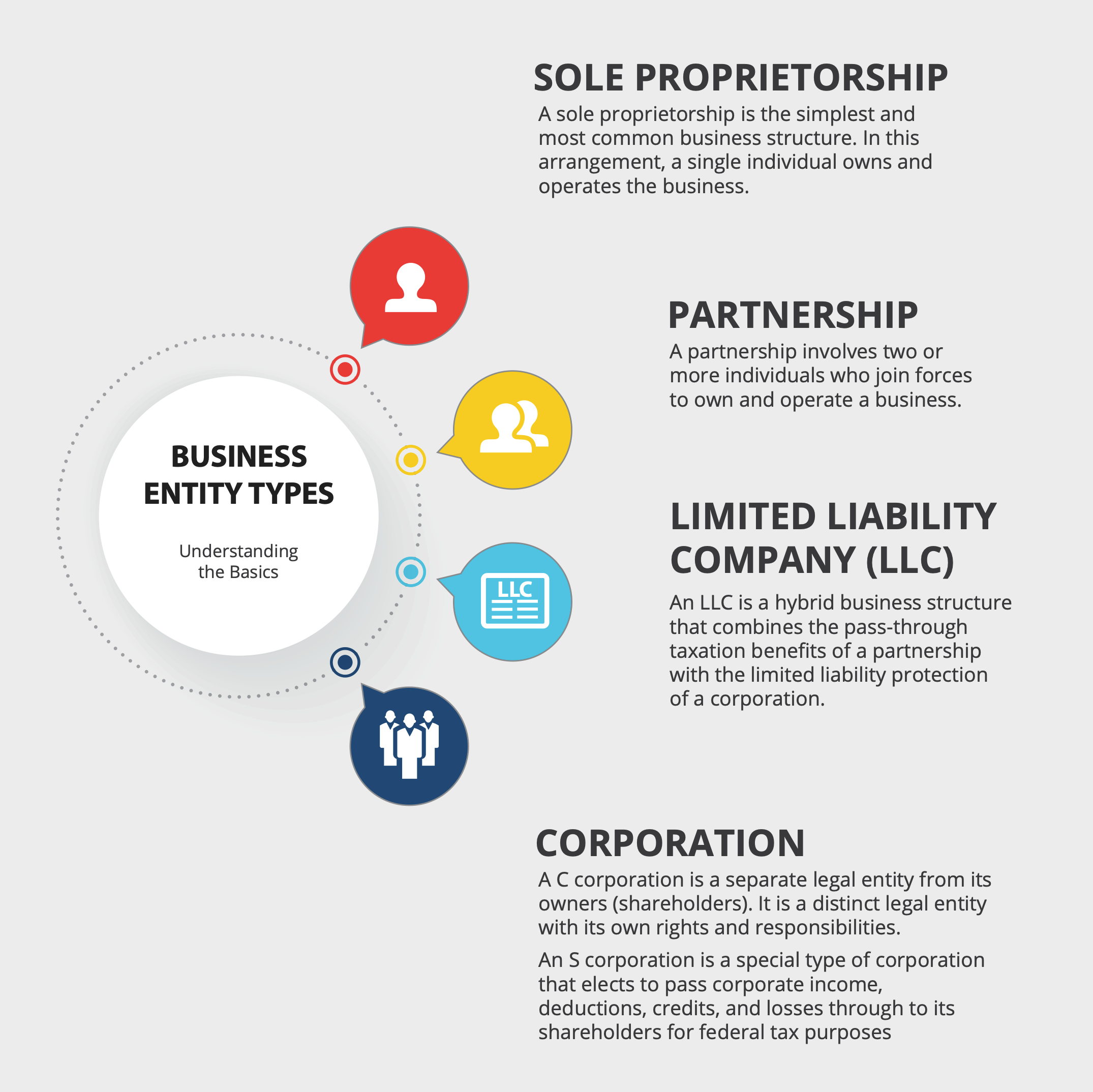
Establishing the right business entity is one of the most critical decisions you’ll make as an entrepreneur or business owner, and choosing incorrectly can have lasting consequences for your liability protection, tax obligations, and operational flexibility.
I guide clients through the complex landscape of entity selection and formation, helping you navigate the nuances between LLCs, corporations, partnerships, and specialized entities to find the structure that best serves your unique business goals and circumstances. Whether you’re a solo practitioner seeking professional liability protection, a tech startup planning for future investment rounds, or a family business looking to optimize tax efficiency, I provide comprehensive legal counsel to ensure your entity is properly formed, compliant with Oregon law, and positioned for long-term success. From drafting operating agreements and bylaws to handling regulatory filings and ongoing compliance requirements, my practice focuses on giving you the solid legal foundation your business deserves, allowing you to concentrate on what you do best—growing your enterprise.
Oregon business entities
Under Oregon law, the following business entities can be legally formed and operated.
Corporations
- Business Corporation (aka C Corporations or just Corporations)ORS Chapter 60
- S CorporationSubchapter S, IRS Code
- Professional CorporationORS Chapter 58
- Benefit Company / B-CorporationORS 60.750-60.770
Limited Liability Companies
- Limited Liability Company (LLC)ORS Chapter 63
- Professional Limited Liability Company (PLLC)ORS Chapter 58
Partnerships
- General PartnershipORS Chapter 67
- Limited PartnershipORS Chapter 70
- Limited Liability Partnership (LLP)ORS Chapter 67
Sole Proprietorship
- Individual business ownershipNo specific statutory requirements for formation
Non-Profit Corporations
- Public Benefit CorporationORS Chapter 65
- Mutual Benefit CorporationORS Chapter 65
- Religious CorporationORS Chapter 65
Cooperative Corporations
- Cooperative CorporationORS Chapter 62
- Worker CooperativeORS 62.803-62.835
Professional Entities
- Professional corporations and PLLCsAvailable for licensed professionals such as doctors, lawyers, accountants, architects, and other regulated professions
Other Specialized Forms
- Series LLCOregon adopted series LLC legislation in 2018
- Low-profit LLC (L3C)Oregon has no specific L3C legislation, but LLCs can be structured for low-profit purposes
Each entity type has specific formation requirements, governance structures, tax implications, and liability protections. The choice depends on factors like the nature of the business, number of owners, liability concerns, tax considerations, and operational flexibility needs.
For formation of most entities, filing is required with the Oregon Secretary of State’s Corporation Division, along with applicable fees and required documentation.
Frequently asked questions
Which business entity type should I choose?
The choice depends on several factors:
- Liability protection needed — LLCs and corporations provide personal liability protection.
- Tax considerations — LLCs offer pass-through taxation; corporations face double taxation unless an S-Corp election is made.
- Management structure preferences — Corporations have a formal structure; LLCs are more flexible.
- Number of owners — Some entities work better for single owners vs. multiple owners.
- Future growth plans — Corporations may be better for raising investment capital.
- Professional licensing requirements — Licensed professionals may need a PC or PLLC.
Corporations: what information is required for Articles of Incorporation?
- Corporate name
- Registered agent name and address
- Number of authorized shares
- Incorporator name and signature
- Principal office address (optional)
LLCs: what information is required for Articles of Organization?
- LLC name
- Registered agent name and address
- Management structure (member-managed or manager-managed)
- Organizer name and signature
- Principal office address (optional)
What is a registered agent, and do I need one?
A registered agent is a person or entity that:
- Has a physical Oregon address (not a P.O. Box)
- Is available during normal business hours
- Receives legal documents and official correspondence on behalf of your business
Every Oregon corporation and LLC must have a registered agent. You can serve as your own registered agent if you have an Oregon address, or hire a registered agent service.
What are the name requirements for Oregon business entities?
- Include “Corporation,” “Company,” “Incorporated,” or an abbreviation
- Be distinguishable from existing entity names on file
- Not contain prohibited words without proper licensing
- Include “Limited Liability Company” or “LLC”
- Be distinguishable from existing entity names
- Not contain prohibited words without proper licensing
What tax obligations do Oregon business entities have?
- All entities need an EIN (Employer Identification Number)
- Tax treatment varies by entity type
- Corporations file Form 1120; LLCs typically pass through to owners
- Corporations pay Oregon corporate income tax
- LLCs with more than one member pay a minimum tax of $150
- Single-member LLCs generally require no separate Oregon tax filing
- Annual reports are required for all entities
Do I need business licenses?
License requirements depend on:
- Type of business activity
- Business location (city / county requirements)
- Professional licensing for certain occupations
Check with your local jurisdiction for specific requirements, or ask when consulting with this office.
Let’s build your business on solid footing.
Tell me about your venture and we’ll choose the entity that fits — then get it properly formed and compliant with Oregon law.